Why Is Dental Insurance a Bad Deal?

Why Is Dental Insurance a Bad Deal?

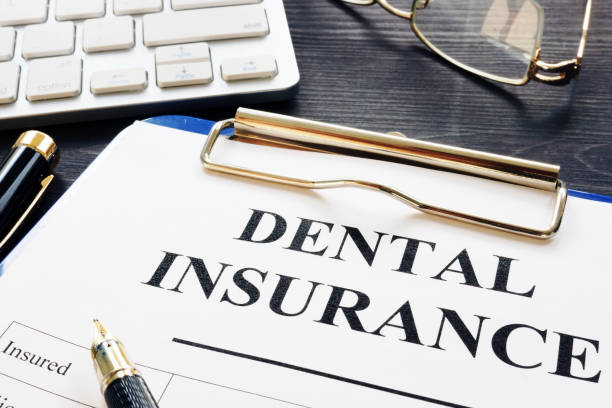
Let us count the ways dental insurance is a bad deal.

Or rather, and with a topic this roastable, let’s go with a late night show countdown. Cue the drumroll, and we’ll start at four, counting down to the number one reason why dental insurance is an all-around a bad deal. While we’re at it, we’ll explain how, and why the increasingly popular, membership-based Direct Dental Care beats the old model in every way. 

Are you ready? 

Here are four of the ten reasons why dental insurance is almost always a bad deal. 

Number Four: It’s Not Even Insurance 

Not if you think about it. 

What is insurance anyway? 

It’s money you pay, usually at monthly or annual rate, for someone to take care of you when an accident hits.  A fender-bender, a flooded basement, having your identity stolen by teenage hackers in Belarus—something like that. When the unexpected hits, you might even pay a premium… but the reimbursement you receive is enough to cover your unexpected costs, get you back on your feet, and even pay for hospital bills that would otherwise be sky-high. In short, what you receive (or the peace of mind knowing what you will receive) when the unforeseen happens is worth everything you’ve been paying on a regular basis. 

Makes sense, right? 

But that’s not how insurance in the dental, or even the medical industry works today. 

Insurance for dental or medical care used to run on reimbursements. But overtime, third party control, arbitrary coverage limits, and confusing policies warped the trust between patients and practitioners. With their primary source of income being insurance companies rather than patients themselves, hospitals, doctors, and even dentists found incentives to pack schedules, charge additional fees, insist on treatments patients don’t even need, and get creative with their billing.

In short, it became less about covering someone when an illness occurred, and more about third parties and their shareholders regulating access to all care, preventative or otherwise. 

The end result of this slide from how actual insurance works? 

Dentists getting creative. 

Teeth not taken care of. 

Patients confused when they pay for costly procedures they don’t even need… from dentists they don’t even know. 

Surprise bills—not reimbursements—after the fact. 

If we go back to where this misleading model came from, that leads right into our next reason why dental insurance is a pretty bad deal. 

Number Three: Dental Insurance is Outdated

Dental Insurance dates back to 1955, but it really took off in the early seventies. While a lot’s changed in fifty years, with technology, tools, dental training, and innovations like 3D imaging transforming dentistry in incredible ways, the insurance model is still the same. 

In fact, most plans offer an annual maximum coverage limit of $1,000… (some go up to $2,000 and some hover in between). 

Do you know the exact maximum limit offered by one of the first Delta Dental insurance plans in 1970 was $1,000? By and large, the amount hasn’t changed. 

Take a bite out of that. 

Where the prices of gas, food, rent, and everything else have risen nearly thirty percent since 1970, the amount dental insurance companies will cover for annual dental work hasn’t changed at all. 

If all this were some teenage high-school movie, dental insurance might be that grizzled, dinosaur of a tenured science teacher… the one with no cellphone, the same outfit everyday, and old, yellowed projector slides instead of PowerPoint.  

But we digress. 

Number Two: It Makes for Poor Incentives

Dental insurance is a lucrative business… if you’re a dental insurance company. 

Unfortunately, and over time, the incentives of dental care paid for through third party insurance nudged dental practices in a poor direction. No longer paid by individual patients who knew and trusted them, dentists learned to deal with PPO contracts offered by insurance providers; contracts that often changed, confused patients, and required dentists to charge set prices for approved services like crowns or fillings. 

In a broad picture, muddied waters. 

While the model worked for insurance companies, it drove dentists to one side of the road—finding creative ways to not cover dental problems in the first place—or to the other—prescribing big, costly procedures that insurance contracts would pay for… but that many patients didn’t even need. 

The end result?

Dentists incentivized to make the most of insurance contracts, not out of relationships built on routine, preventative care that turns grateful patients into lifelong customers.

Patients who don’t know their dentists, confused and frustrated… strapped with plans and treatment they may not even need. 

Surprise fees and annual readjustments that make the jaw drop. 

Here it is… the Number One Reason Dental Insurance is a Bad Deal 

Are you ready? 

It’s not those bills that arrive in the mail. It’s not strict coverage limits, changing policies, and fine-print that would take its own Master’s Degree to understand. 

It’s not even that surprise root canal that made your Friday so very colorful. 

As plain as day, the number one reason why dental insurance is a bad deal is that it’s imaginary. 

That’s right. 

Knowing that dental insurance is outdated, knowing that it isn’t really ‘insurance,’ and that it traps dental providers with undesirable incentives, we arrive at a full picture of how the dental insurance model is one big bait and switch. 

It’s a system in which people pay insurance companies to pretend to care about their teeth. 

We realize that’s a bold claim… and we don’t make it lightly. 

But the fact that countless, dedicated dentists and many honest, helpful insurance providers do treat and care about their patients doesn’t offset the built-in dishonesty of the model itself. 

First, if dental insurance companies really cared about people’s teeth, they would incentivize dentists to focus on regular, preventative oral care—the kind that makes for satisfied, empowered patients, healthy teeth, few, if any, invasive procedures, and a cooperative, life-long relationship between dentist and patient.  

Unfortunately, this isn’t the case… and for most people, having a dental insurance plan doesn’t equate to getting the preventative oral care they really need. 

Second, dental insurance plays on the idea of insurance without really stepping up to it. In an article posted in Today’s RDH.com, Dental Hygienist Trish Walvern lays this out: 

“If it really paid for them, like insurance is designed to do, it would cover the unexpected problems, especially in emergency situations. Instead, dental insurance gives you just enough coverage to make you feel like it’s a value and scares you into thinking you can’t go to the dentist without it.”

Remember what we mentioned earlier? Most dental insurance plans have a fixed dollar amount of what they’ll cover per year, period. 

In most cases, if your teeth need repairs or dental work that exceeds that maximum, you foot the rest of the bill. 

Does that sound like insurance? To us, it sounds like a friendly discount… and one that might only shave $1,000 off a $5,000 dental bill in the case of a costly but necessary dental procedure. 

Case in point, there’s some sneaky deception at the heart of the promise dental insurance makes to its patients .

With that, and with more and more people waking up to the fact that paying your dentist directly, with a flat monthly membership fee that covers procedures, exams, and all the preventative care you need, is the best deal all around. 

Next to dental insurance, direct dental care is a better deal in every way. 

And That’s Why It’s Rising

If you’re tired of high premiums, surprise bills, and a dentist that’s hard to even get a hold of, consider Direct Dental Care. 

And if you’re in the Phoenix area, give the Rising Dental Club team a call to find out how our excellent care, flat membership fees, and transparent pricing can get your teeth to their healthy, showable, best. 

Sign up and become a member today!
The Best Method of Teeth Whitening

The Best Method of Teeth Whitening

The Best Way to Whiten Your Teeth

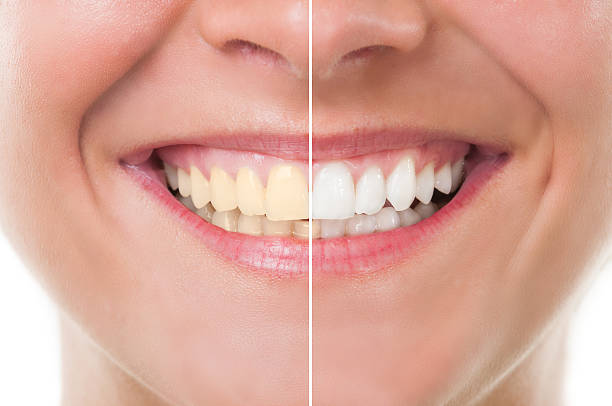
If you type ‘teeth whitening’ into a search bar, you’ll see a ton of options… too many, if you ask us. Between bleaching, take home kits, whitening strips worn at night, and all the way to removing stains with lasers, there’s no shortage of “methods” to brighten those pearly whites. 

So people claim. And while everyone promises a whiter smile, when you scroll down to the cost, what you see might blow your hair back.

That’s challenging because as far as looking your best goes, there’s every reason to whiten. Along with straightening, whitening your teeth is the surest, easiest way to get that bright attractive smile. While unfortunately, dental restorations like crowns and fillings can’t be whitened because they don’t bond with the whitening chemicals the same way enamel does, even yellow or stained teeth can become white with repeated treatment. 

But with so many options, what’s the best way to do it?  Is there a clear winner? Which method works best on stained or yellow teeth that haven’t been white in years? 

The answer, like many salient but little-known facts of oral health, will surprise you. 

When Best Practice means Best Method 

Most of these methods work in the short term… but they’re subpar at best. 

The truth is that teeth must be whitened again and again to maintain the best color, and the best way to do it isn’t whitening strips or laser treatment. Cheap, over the counter whitening strips are often expired, and may not even apply the hydrogen peroxide or carbamide peroxide that acts as the whitening agent.  

While they might seem fancy or futuristic, whitening treatments involving light or lasers are an expensive gimmick. While they don’t do much to maintain whiteness, they sometimes dry out and damage the enamel.  

The best teeth whitening method is to use custom teeth whitening trays made by a dentist, to apply professional grade whitening gel at home. Whitening trays come with virtually no risk, and unlike some dental office treatments, they reduce pain and sensitivity while getting the job done. 

How Teeth Whitening Works

At Rising Dental Club, teeth whitening starts with a standard procedure. 

At the first visit, members get a 3D scan of their teeth that lets us print a custom, 3D model. Using the model, we fabricate a custom bleaching tray for both jaws and then provide fresh, professional grade gel for home whitening. 

At home, members place a tiny amount of whitening gel in the tray, and then wear it for 30-60 minutes every day for a week. 

When they visit for a cleaning or a checkup, we top off their whitening gel supply so they can continue whitening at home two to four times a year, and maintain the bright, stainless color they want over the long term.  

From our perspective, helping members keep their teeth an optimal white is no cosmetic detail. We find that having whitened, clean-looking teeth gives a huge motivational boost to anyone looking to take their oral health seriously with proactive care. 

If teeth look that good, then of course they’re worth maintaining day in, day out.

3D Printing Bleaching Trays with Sprintray

3d Printing Dental Models for Bleaching Trays

So it Works. But What’s the Cost? 

Great question. 

With Rising Dental Club, where members pay a flat monthly fee and avoid the hassles of dental insurance, teeth whitening is free. 

The custom 3D whitening trays are free. 

The professional grade whitening gel is free. 

Refills are free as long as they’re with us. Rising Dental Club members get free whitening Gel refills for life at their cleaning appointments.

Where fancy whitening treatments aren’t included on dental insurance plans, they add up quickly… and this can leave patients with the only option of flimsy, over the counter whitening strips. 

Getting to use the best teeth whitening method for free is another reason to say farewell to dental insurance, and go with the Direct Dental Care of Rising Dental Club. Our model focuses on prevention, builds strong relationships between dentists and patients, and provides everything patients need with fixed prices and a flat monthly fee. 

So if you pay us a visit down in our Gilbert, Arizona office, (we’re opening more branches across the state and across the country, by the way), make sure you ask about free teeth whitening for Rising Dental Club members. 

From Teeth Whitening to Overall Experience…

A better way  is rising. 

With Direct Dental Care that avoids the premiums, hidden costs, and cumbersome billing of traditional dental insurance, oral health includes feeling great about the way your teeth look. 

Give us a call and become a member today!

How Much Does Invisalign Cost?

How Much Does Invisalign Cost?

Great question. At Rising Dental Club, we set Invisalign cost at $3,000. No premiums, no hidden fees… and no surprise bills in the mail. 

A flat $3,000. 

This is less than what many dental offices will charge for braces. It’s also often less than what you’ll fork over with co-pays on a traditional insurance dental plan. 

If you’re looking for a flexible, non-visible, and custom solution that will correct an overbite or an underbite, give crowded teeth some breathing room, or just straighten out those pearly whites for a better smile, our flat-fee pricing makes the cost of Invisalign well worth it.  

Invisa-what? 

Invisalign’s popular, and it’s the premier company for plastic aligners. Over the last few decades, it’s straightened the teeth of over ten million adults and teenagers worldwide.  

If you haven’t heard about it, you should probably check it out. 

How Invisalign Works 

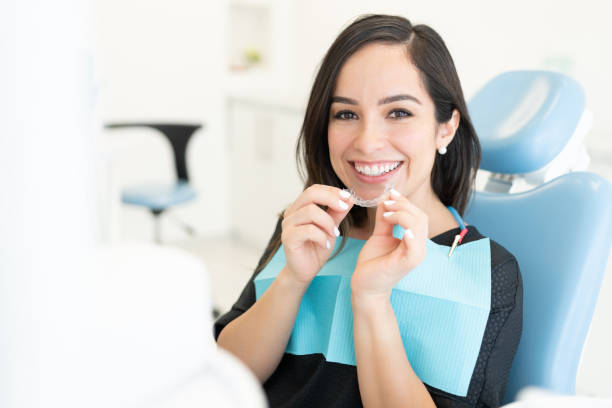
Invisalign treatment takes a digitally engineered approach to straightening teeth. With the precision of plastic molds called aligners that are custom made for each patient’s teeth and worn for around 20 hours a day, Invisalign works with more ease and comfort than traditional metal braces. 

As the name implies, they’re clear, custom-fitted and pretty much invisible. 

Aside from taking the aligners out for eating and drinking, teens and adults wear them as they go about their day… and with hardly anyone noticing. 

The Invisalign Process

It’s pretty cool. And it starts with taking a selfie of that smile. 

But not any selfie… first our 3D scanner digitally captures and creates a 3D model of your teeth. Next, we use powerful software to plan precision, clear-looking aligners that will straighten your teeth over the next few months to half a year. 

Over the course of your treatment, we’ll see how it’s going with regular check-ups. 

When it’s time, and as your teeth start to move and straighten, we’ll swap out one set of clear, transparent aligners for another, until your bite and your smile are transformed. 

Does Invisalign Beat Traditional Braces?

We think so. While we offer both, Invisalign brings cosmetic, practical, and comfort level benefits that are hard to ignore. 

Let’s count the ways: 

-Transparent/cosmetic

-Less discomfort

-Faster treatment times

-Easier to clean

-Less office visits

*And with a direct dental care option of transparent prices and a low monthly membership fee… Invisalign comes with options. 

Rising Dental Club’s Invisalign Options  

No set of teeth are completely alike. That’s why we offer Invisalign instead of braces… and we don’t charge more for Invisalign.

Where many dental offices and traditional insurance plans only offer Invisalign as a premium over braces, we think Invisalign cost should be affordable for everybody.

At Rising Dental Club, you can also get Invisalign treatment for the bottom teeth only, making your treatment even more invisible. 

Because the customizable treatment should come with customizable pricing… which you can’t get with dental insurance  

That’s right. With our low monthly membership fee, you can get the best teeth-straightening product and service for half the price.  

When It Comes to Your Teeth, Don’t DIY

There’s other clear aligner companies that take a DIY approach. But make no mistake—Invisalign remains the gold standard; the premier clear aligner company.  

That’s because DIY companies don’t have the software power and data history of Invisalign to guide the process. 

Another problem is that  DIY companies who promise straightened teeth can’t always deliver because they don’t have a dental provider actively guiding your treatment. In fact, most don’t even have a dental provider involved. 

This means that DIY companies can’t use vital, dentist-driven parts of the clear aligner process. With little accountability, no routine check-ups, and important pieces missing, the approach can lead to poor outcomes. 

No bueno for teeth that should be straight. 

Offering affordable Invisalign cost to the Gilbert, Arizona Community

In the greater Phoenix area, a better way is rising. 

With Direct Dental Care that blows way past the premiums, hidden costs, and cumbersome billing of traditional dental insurance, we’re all about getting patients the preventative treatment, and the dentist relationship they need for optimal oral health. 

Give us a call and become a member today!

Price Transparency in Healthcare is A Win-Win

Price Transparency in Healthcare is A Win-Win

Honesty’s great. Transparency? Even better. But when it comes to the dental insurance model that 64 percent of Americans use, honesty and price transparency evaporate quickly. While dental insurance models like PPO’s and HMO’s are billed as a way to reduce the cost of dental care while protecting against the unknown, the fact is they’re cumbersome. For dental offices, they’re difficult to administer.

For dentists—who are only paid when there’s work to be done, and incentivized to offer aggressive, rather than minimal and preventative treatment to more and more patients—it’s a strain on everything. For patients, it’s even worse. Dental insurance models obscure actual costs, making it impossible to predict how much you’’ll be paying for treatment.

With traditional dental insurance, it’s easy to get caught off guard with:

  • High co-pays
  • Coverage limits that don’t cover preventative services
  • “Balanced” bills that surprise you in your mailbox
  • High-cost “Fees for Service”
  • Recommendations for aggressive treatment you didn’t want in the first place

In other words, and to quote Forrest Gump over a box of chocolates… you never know what you’re gonna get. That’s not how dental care should operate.

The Starting Point for Price Transparency

With all the loopholes, and with the cost of dental insurance rising annually, it’s no wonder that families are finding dental care confusing, unpredictable, and hard to budget for. A better place to start would be dental care that comes with transparent costs and prices.

What you see should be exactly what you get. But unfortunately, a system that only pays dentists on commission can’t accomplish that. Not when high-costs, interfering limitations, and all-around frustration gets passed on to the patient. And not when unpredictable costs hurt an otherwise healthy, conducive dentist-patient relationship that should be focused on preventative care.

Enter Direct Dental Care

Building on price transparency, a better way is Rising.

Unlike dental insurance, which drives up cost and keeps things as hidden and messy as possible, Direct Dental Care is all about simplifying the bottom line. Transparent prices for dental service gives you autonomy, better access to your dentist, and ultimately, savings.

On top of that, direct care doesn’t require insurance. Even if you don’t have an insurance plan, an affordable monthly fee covers all your dental needs, from preventative care and routine check-ups to major dental work. Price transparency means you’re dentist won’t be trying to ‘upsell’ you on:

  • Fluoride treatment
  • X-rays
  • Sealants
  • Laser treatments
  • Upgrades

If you need it for oral health, it’s included in your membership… and at a cost you’ll know about, long before you walk through the door.

Transparency Builds Trust

It’s hard to trust someone that you just met… especially when they’re telling you that you have a problem you didn’t know you had, or that your last dentist never mentioned.

In Direct Dental Care, providers work first and foremost to earn your trust. We’re not paid on how many procedures we give, so we work to educate you on the current and future health of your mouth. There’s no cop-pay. No jaw-dropping service cost you didn’t know about. If a procedure is unnecessary, we won’t push it on you… and a week later, you won’t find some surprise bill in your mailbox.

In the insurance model, you’re expendable… one of a dozen patients crowded into a network and crammed in a dentist’s busy schedule. Not the best recipe for building trust.

What is Direct Dental Care?

What is Direct Dental Care?

Third party dental insurance really hasn’t changed much in twenty years which is opening the door for new solutions like direct dental care. While the traditional, employer-sponsored insurance model came on the scene as a way to keep healthcare costs affordable, it’s dwindled down to problems and headaches that we’re all too familiar with.

  • Long office waits to see the dentist
  • Rising deductibles
  • Waiting periods
  • Co-pays
  • Confusing coverage limitations
  • Surprise bills in the mail after your visit

Unfortunately, the insurance model only pays dentists for work done on patients… and this awkward structure comes with even more problems:

  • Dentists pushing aggressive, rather than minimal treatment
  • Schedules crammed full of patients
  • Disincentives to focus on preventative care
  • Dentists who can’t be reached when patients need them
  • Inflated costs
  • Incentives to push services and aggressive treatments
  • Strain on the dentist-patient relationship.

So… if the dental insurance model is broken, if it confuses patients and families, and if it nudges dentists toward aggressive treatment that’s often not needed instead of total, preventive oral care, why does everyone stay on it?

Probably because they’re not aware of the alternative—a system of direct, monthly pricing that saves costs, doesn’t smudge the numbers, and brings patients into partnership with their dentists for preventative oral care.

Now, if only this alternative had a name…

How about Direct Dental Care?

Direct Dental Care, (DDC) is an innovative model that’s exactly what the name implies—direct, membership based dental care without hidden costs, surprise bills, or third party interference. In DDC, employers and patients directly pay their dentist / practice for a set of defined dental care services to maintain their optimal oral health.

It’s a superior, win-win scenario for a system that’s broken for patients, dentists, and dental practices.

Through an affordable membership fee, patients have access to modern dental care, creating an experience that far surpasses the current, confusing “fee-for-service” model. In fact, when patients contract directly with a dentist / practice, the need for third-party insurance coverage disappears entirely.

Membership and Price Transparency

What makes this model the solution? Far superior to the current approach? Let’s count the ways.

First, insurance limitations, unpredictable costs, and lack of price transparency are no longer roadblocks for patients wanting to receive optimal dental care. Providers have more time to give because they are not financially driven by production and even patient turnover.

Second, patients and their health outcomes become central to treatment, which results in a more trusting and therapeutic relationship. Modern patient-provider communication through technology, longer face-to-face time, and opportunities to promote honest preventative care define DDC.

Imagine a dental visit where all recommended treatment is covered by your membership fee. You will know that your provider isn’t pushing treatment you don’t need because there’s no longer a fee-for-service incentive. In the DDC model, prevention and trust, along with the patient’s optimal oral health, are central.

Patients Empowered by Direct Dental Care

Finally, with the thicket of third party billing, fee-for-service, and fluctuating costs cleared away, the Direct Dental Care model empowers patients. High-functioning, optimal oral care begins with patient choice. In DDC, patients have extraordinary access to the dentist of their choice… often for as little as $75 a month in a flat membership fee. Patient choice incentivizes dentists to build enduring and trusting relationships with their patients, while focusing on preventative oral care that saves their patient time, money—and teeth—in the long run.

The direct model means dentists are accountable first and foremost to their patients; not to third party providers. It also means they no longer have financial incentives to push aggressive treatment or ‘upsell’ services that sometimes aren’t even needed.

For Better Outcomes, Join the Club

In short, everyone wins. For patients, Direct Dental Care means superior health outcomes, not to mention better access to dentists and comprehensive care. For dentists, happier, more trusting patients mean a focus on preventative oral health, without meddling and interference from third parties.

While the traditional model won’t change anytime soon, more and more people across the country—both patients, dentists and even other healthcare professionals—are opting for membership.

Isn’t it time you opted in to Direct Dental Care and became a member? If better access to your dentist, preventative treatment that saves you money, and flat monthly fees that start at $75 sound good to you, then drop a line.

Sign up and become a member of Rising Dental Club today.